Prosthetics
The Most Common Causes of Limb Loss in Rhode Island — and How Modern Prosthetics Change the Outcome
By the South County Artificial Limb & Brace care team · · 8 min read
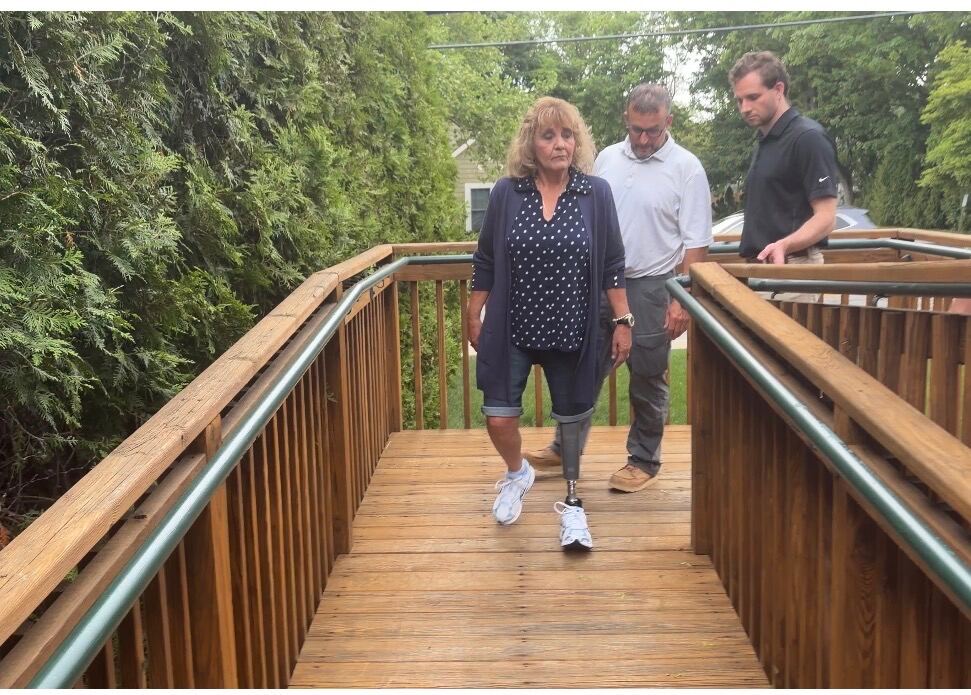
Every person who loses a limb arrives at that moment differently. Some have lived with diabetes for years and know the risk. Some are veterans who sustained an injury in service. Some are in a hospital bed the morning after a motorcycle accident, facing a reality they never anticipated. The cause shapes the experience — but what comes next is the same journey toward regaining independence.
At South County Artificial Limb & Brace, we see patients from across Rhode Island, at our Wakefield and Woonsocket locations, and across a wide range of causes and conditions. Understanding why limb loss happens is the first step toward understanding what modern prosthetics can do about it.
Diabetes and vascular disease — the most common cause of non-traumatic amputation
The most common cause of non-traumatic limb loss in the United States is diabetes combined with peripheral vascular disease. Over time, elevated blood sugar damages the walls of blood vessels and degrades nerve function throughout the body. In the feet and lower legs, where circulation is already furthest from the heart, this damage is most acute.
The pathway to amputation often begins with a small wound — a blister, a minor cut, a pressure ulcer from poorly fitting shoes. For a person with intact circulation and sensation, that wound heals without incident. For a person with diabetic neuropathy and compromised blood flow, the same wound can become a chronic, non-healing ulcer. When tissue begins to die and infection spreads, amputation may become necessary to save the patient's life.
Partial foot amputation and below-knee (transtibial) amputation are the most common surgical outcomes along this pathway. Modern prosthetic and orthotic care plays a role at every stage — from preventive diabetic footwear and offloading orthotics that protect vulnerable tissue before a wound develops, to post-amputation socket fitting that restores mobility and function. If you have diabetes and have been told you are at high risk for foot complications, a conversation with an orthotist does not have to wait for a crisis.
Veterans and service-connected amputations
Veterans who sustained limb loss during military service represent a significant and often high-activity patient population. Many are young, physically determined, and motivated to return to demanding activities — running, outdoor recreation, physically demanding work — that require prosthetic systems engineered for higher functional levels.
Tricare, the health coverage program for veterans and active-duty military, covers prosthetic care for eligible service members. We are Tricare-accepted providers with direct experience navigating prior authorization for veterans, including those qualifying for K3 and K4 functional-level components designed for active patients. The right prosthetic system — properly fitted and tuned to the patient's goals — can make the difference between limited household mobility and a full return to an active life.
If you are a Rhode Island veteran who sustained a service-connected limb loss, or if you are seeking a prosthetist closer to home after receiving care through the VA system, we welcome your call at either of our two offices.
Traumatic amputation — motorcycle accidents and workplace injuries
Traumatic amputation accounts for a meaningful share of new prosthetic patients — and motor vehicle accidents, especially motorcycle crashes, are among the most frequent causes. Workplace injuries in construction, manufacturing, and agricultural settings are also a leading cause, particularly among working-age adults.
Unlike planned amputation following a staged clinical evaluation, traumatic amputation is sudden and leaves no time for preparation. The patient and their family are adapting to a changed reality even before they fully understand what it means. Early involvement of a prosthetist — ideally before or shortly after discharge from acute care — can meaningfully accelerate the rehabilitation timeline and help set realistic expectations about what recovery looks like.
We have experience working alongside trauma surgeons and physiatrists to begin the rehabilitation planning process as early as possible. Limb shaping begins during the healing phase, and a clear plan established early results in a faster, more confident transition to first fitting.
Cancer and other medical causes of limb loss
Bone tumors, soft-tissue sarcomas, and other malignancies sometimes require amputation as part of surgical treatment when limb-sparing surgery is not an option. These patients often have complex care needs — coordinating with oncology, managing the effects of treatment on healing tissue, and setting prosthetic goals that are realistic given their overall health and recovery trajectory.
Congenital limb differences — present from birth — represent another population we serve, particularly children and young adults transitioning to adult care. Pediatric prosthetic fitting requires specialized attention and regular refitting as the child grows. We are experienced working with these patients and with their families through each transition.
Whatever the cause of your limb loss, the approach to prosthetic care starts in the same place: a thorough evaluation, an honest conversation about functional goals, and a plan for getting there — at a pace that fits your healing and your life.
How Össur Direct Socket technology is changing the recovery timeline
Historically, one of the most frustrating aspects of early prosthetic rehabilitation was the wait. After amputation surgery, the residual limb must heal, then stabilize in shape enough to cast a socket, and then the socket is fabricated — often at an off-site lab — before the patient can take their first steps. That process, measured in weeks, can slow the momentum of early rehabilitation at the moment when patients most need to feel progress.
The Össur Direct Socket system is a significant clinical advance that compresses this timeline. It allows our team to produce a definitive, custom prosthetic socket significantly faster than conventional casting and fabrication methods — and with a fit that is dialed in from the first session. This is not an interim check socket to be replaced later; it is a finished device delivered earlier in the rehabilitation process.
Earlier mobilization matters clinically and personally. Patients who get walking sooner tend to develop stronger residual limbs, better gait mechanics, and more confidence in their device. For any cause of limb loss — diabetes, trauma, military service, or cancer — this technology represents a real difference in what the first months of recovery can look like.
When to involve a prosthetist — and why earlier is better
A common misconception is that the prosthetist enters the picture only after the amputation has healed and the patient is ready to be fitted. In fact, earlier involvement — even before or shortly after the amputation itself — consistently produces better outcomes. Pre-amputation consultation helps set expectations, informs surgical planning around incision placement and residual limb length, and allows the patient to begin understanding what rehabilitation will involve.
During the healing phase, your prosthetist can guide limb-shaping with appropriate compression and positioning protocols that prepare the residual limb for a better socket fit. This work, done in the background while healing is underway, reduces the overall time to first prosthetic fitting.
Rhode Island physicians who want to involve a prosthetist early in their patient's care can send a referral to South County Artificial Limb & Brace by fax, phone, or through our secure online referral form at southcountyartificiallimb.com/prosthetic-referrals-rhode-island. We will confirm receipt within one business day and coordinate directly with your patient and your office.
Frequently asked questions
- What is the most common cause of limb loss in the United States?
Diabetes combined with peripheral vascular disease is the leading cause of non-traumatic amputation. Elevated blood sugar over time damages circulation and nerve function in the extremities, impairing wound healing — particularly in the feet. Traumatic causes, including motor vehicle accidents and workplace injuries, are the leading cause among younger patients.
- Can diabetes-related amputation be prevented?
In many cases, early intervention can reduce the risk significantly. Consistent blood sugar management, regular podiatric care, and custom diabetic footwear or orthotic offloading can interrupt the wound cycle before it progresses to amputation. If you have diabetes and have been told you are at high risk for foot complications, an early orthotic evaluation is worthwhile.
- Are veterans covered for advanced prosthetic technology?
Yes. Tricare and VA benefits cover prosthetic care for eligible veterans and active-duty service members. Veterans with service-connected amputations may qualify for high-activity prosthetic components (K3 and K4 functional levels). We are Tricare-accepted providers with direct experience navigating prior authorization for this patient population.
- How soon after amputation surgery can I be fitted for a prosthesis?
It depends on the individual's healing progress, but involving a prosthetist earlier — before or shortly after surgery — consistently results in a faster overall timeline. With Össur Direct Socket technology, the time from a stable, healed residual limb to a walking-ready prosthesis is significantly shorter than with conventional methods. Your prosthetist can give you a realistic estimate based on your specific situation.
- What is the Össur Direct Socket and how is it different?
The Össur Direct Socket is a prosthetic fabrication system that produces a custom-fitted, definitive socket faster than conventional methods — without the need for a temporary check socket or a remote fabrication lab. All sockets are built by our clinical team in our own on-site facility. The result is a better-fitting device, delivered earlier in the rehabilitation process.
- Do I need a doctor's prescription to see a prosthetist?
You are welcome to call us or come in with questions at any time — no referral is needed for an initial conversation. A physician's prescription is required for insurance to cover a prosthesis or orthosis, and our team will help coordinate that prescription with your physician's office if you do not already have one.