Orthotics & Bracing
Custom Orthotics and Bracing in Rhode Island: What to Expect at an Evaluation
By the South County Artificial Limb & Brace care team · · 6 min read
At a glance
A custom orthotic or brace should start with an individual evaluation—not a one-size-fits-all recommendation. Bring your everyday footwear and any current device or prescription that is relevant; ask how fit, follow-up, and your own insurance plan will be addressed.
Custom foot orthotics, ankle-foot orthoses, knee braces, and other supportive devices are not interchangeable. The right evaluation depends on the device being considered, the person’s needs, and the clinician’s assessment. This Rhode Island guide explains what a first orthotics conversation may cover and how to prepare without trying to select a device online.
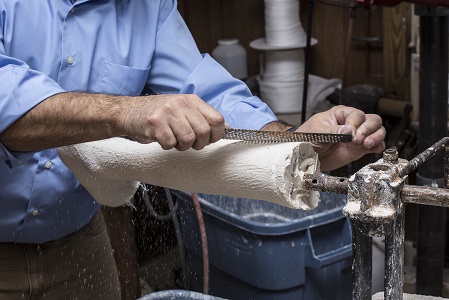
South County Artificial Limb & Brace offers foot orthotics and bracing, including AFOs, KAFOs, CROW boots, and Össur knee braces, through its Wakefield and Woonsocket offices. The American Podiatric Medical Association describes prescription custom orthotics as devices made for an individual after a complete evaluation of the feet, ankles, and legs.
What can an orthotics evaluation include?
A clinician may ask about your daily activities, the concern that led you to seek support, your footwear, and any devices you have already tried. The assessment will depend on the type of orthotic or brace under consideration and the prescribing clinician’s plan.
For custom foot orthotics, the APMA notes that evaluation of the feet, ankles, and legs helps inform a device made for the individual. Bracing evaluations likewise consider the device, fit, movement, comfort, and the purpose for which it was prescribed. Your clinician will explain what applies in your case.
What should I bring to a Rhode Island fitting appointment?
Bring shoes you regularly wear with the device, if the clinician has asked you to bring footwear. If you already have an orthosis, brace, or shoe insert related to the concern, ask whether to bring it. Bring a prescription or referral if one has been provided, along with your questions and any plan information you want the team to help you review.
You do not need to decide in advance which device is right. If you are unsure whether an item is useful, call the office before your appointment rather than carrying unnecessary belongings.
- The everyday shoes you expect to wear with the device.
- Your current brace or orthotic if relevant.
- A prescription or referral, if you have one.
- Questions about fit, wear instructions, follow-up, or insurance.
How do custom orthotics differ from store-bought inserts?
A retail insert is a general product; a prescription custom orthotic is selected and made for a particular person following a clinical evaluation. The APMA describes functional and accommodative orthotics as different approaches and notes that an orthotic recommendation depends on the foot and the individual’s needs. This does not mean a custom device is right for everyone—an assessment helps determine the appropriate option.
Do not rely on advertising claims or another person’s device as a substitute for an individualized evaluation. A qualified clinician can explain the options, expected fit, and whether an off-the-shelf or custom approach is appropriate to discuss.
What happens after a brace or orthotic is delivered?
Ask how to check the fit, how to follow the wearing instructions, and whom to contact if the device causes discomfort or does not fit as expected. Follow the specific instructions given by your care team; do not make a new wear schedule or alter the device based on advice intended for someone else.
Insurance coverage, prescription requirements, and prior authorization vary by plan and device. The practice can help explain the process and verify your benefits, but only your insurer can confirm your coverage and out-of-pocket responsibility.
Where can I request an orthotics evaluation in Rhode Island?
South County Artificial Limb & Brace provides orthotic and bracing care from Wakefield and Woonsocket. When you contact the practice, you can ask which office is most convenient and whether to bring a particular shoe, brace, or referral.
A short consultation request is also available online. Share your name and one way to reach you; do not include diagnoses, medical history, or other sensitive health information in the general request form.
Frequently asked questions
- Do I need to know which brace or orthotic I need before my visit?
No. The evaluation is a chance to discuss your needs and have the clinician explain which options, if any, may be appropriate to consider.
- Should I bring the shoes I usually wear?
Ask the office what to bring for your particular evaluation. Everyday footwear and any related current device may help the clinician discuss fit and practical use.
- Will my insurance cover a custom orthotic or brace?
Coverage varies by plan, device, prescription, and medical-necessity requirements. Ask the practice to help review benefits, and confirm final coverage directly with your insurer.
- Where can I ask about orthotics in Rhode Island?
South County Artificial Limb & Brace has offices in Wakefield and Woonsocket. Call or request a consultation and the team can help arrange the next step.